

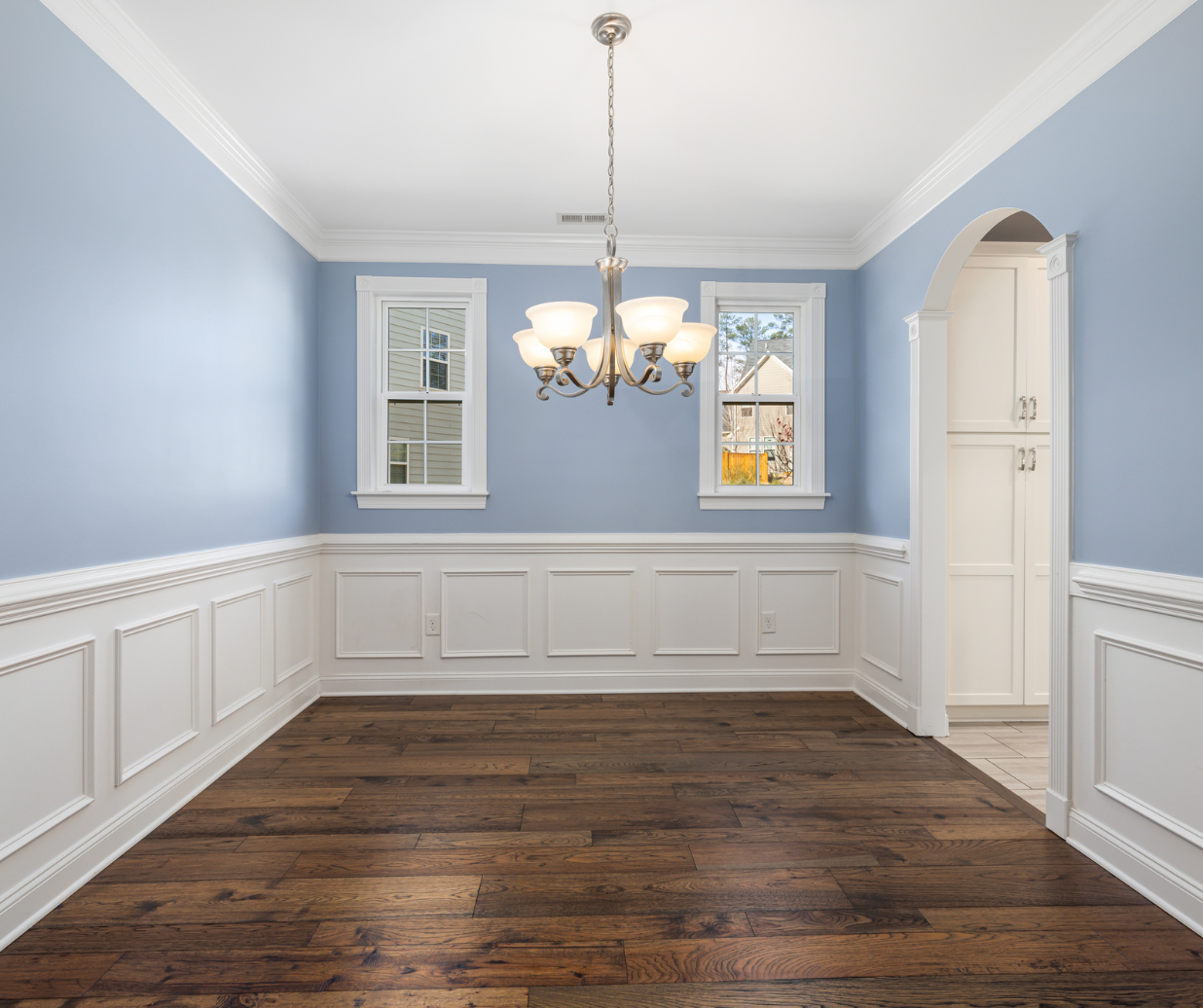
If you are renovating an older home in Annapolis, the floor decision often gets tangled up with two competing goals: you want the warmth of real wood, but you also want a material that handles humidity shifts, daily traffic, and long-term value. That tension is real in the Mid-Atlantic, where damp summers and drier winters can push wood to move more than homeowners expect. The smartest choice is usually not the most dramatic one. It is the one that gives you a wood look you can actually live with.
Why eco-smart usually means engineered, not solid
A more responsible hardwood choice starts with performance, because a floor that fails early is never the sustainable answer. In many renovations, engineered construction makes better practical sense than solid planks because its cross-ply layers help limit seasonal movement. That matters in homes with variable indoor moisture, especially in spaces near exterior doors, kitchens, or concrete-adjacent areas. For readers comparing structures, engineered hardwood is often the most stable place to begin.
That same logic becomes even more important below grade or over slab. We never recommend solid hardwood in a basement, because wood expands and contracts too aggressively around moisture. If part of your remodel includes a lower level, it helps to read through the moisture basics in our hardwood flooring guide before you commit to a species or plank width.
What makes a hardwood choice feel more responsible
People often hear "eco-friendly" and think only about the tree source, but the fuller picture includes durability, repairability, and finish chemistry. A floor that can be maintained for years without constant replacement usually serves both your budget and the material itself better. That is why we look at wear layer thickness, core stability, and how the finish will hold up to chairs, pets, and sand tracked in from outside.
Style matters too, especially in coastal-leaning interiors where lighter tones and quieter grain patterns tend to feel at home. Some homeowners want a cleaner visual with less rustic variation, while others prefer a natural look that softens formal rooms. In those cases, browsing our hardwood catalog can help you compare species, color ranges, and surface textures without locking into a trend that dates quickly.
Installation decisions affect sustainability more than most people realize
Even a well-made plank can disappoint if the subfloor is not flat, dry, and properly prepared. Gaps, hollow spots, and premature wear often start underneath the surface, which is why installation quality is part of an eco-smart decision. Our six-step process includes subfloor prep, careful layout, finishing details, and quality checks so the material has a fair chance to last. If you want to understand what that work involves, our hardwood installation process lays out what happens before, during, and after the boards go down.
This is also where smart sampling helps. Colors shift dramatically between showroom lighting, daylight, and evening lamps, so a plank that looks calm in one setting can turn orange or flat in another. Seeing options through Shop at Home makes it easier to judge the floor against your cabinets, wall color, and natural light before making a final call.
The best renovation choice is the one that fits real life
In Prince George's County, we regularly meet homeowners who would rather improve the house they have than gamble on moving in a high-rate market. That makes material selection more strategic. You are not just buying for this season's look; you are choosing something that should support worry-free everyday living and still make sense if resale enters the conversation later.
An eco-smart hardwood plan is usually simple: choose stable construction, avoid putting solid wood where moisture will win, and invest in installation that protects the product from day one. If you want help comparing wood options for your renovation, you can start with a free estimate and we will help you narrow the field to floors that suit your home and how you actually live.


