

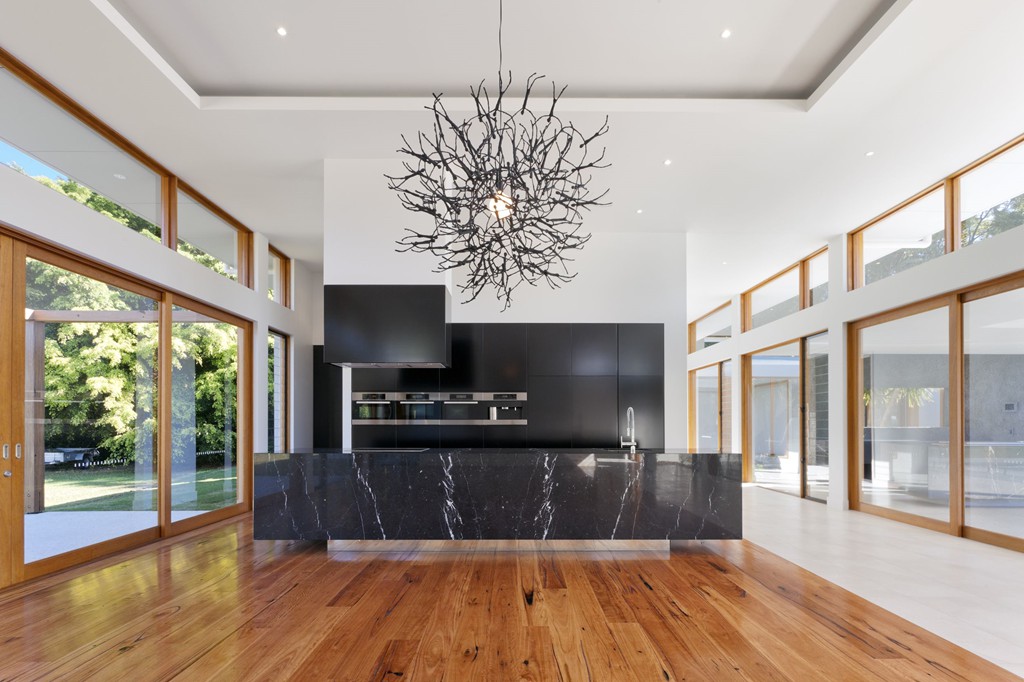
A lot of homeowners in Annapolis want the warmth of real wood on the main floor without signing up for constant worry. That makes sense. Coastal air, humid summers, and the everyday traffic of kitchens, entries, and open living spaces can be hard on a floor that looks beautiful in a showroom but feels fussy in real life.
That is where engineered hardwood tends to make more sense than many people expect. It gives you the look of wood, but its layered construction is built to handle seasonal movement better than solid planks. On a main level, that added stability matters because these spaces usually connect several rooms, take the most foot traffic, and show every little change in light, dust, and wear.
Why engineered construction fits coastal-style living
In homes with breezy colors, painted millwork, and open sightlines, the floor often does more visual work than the furniture. You need boards that feel natural, not busy, and that hold their shape through swings in indoor humidity. Cross-ply construction helps with that by reducing the expansion and contraction that can make wood floors temperamental over time.
If you are comparing species, finishes, and plank widths, it helps to start with engineered hardwood so you can focus on products designed for this kind of setting. Wider planks and matte finishes usually fit coastal interiors especially well because they keep the room relaxed instead of glossy or formal.
What to look for on a busy main floor
The best main-floor material is not just about color. It is about how the top veneer, core layers, and finish work together under daily use. In a house with pets, chairs sliding in and out, and regular cooking traffic, a lower-sheen finish often looks cleaner between sweeps because it hides minor surface marks better than a high-gloss one.
Board length and thickness also affect the final result. Longer planks can make an open first floor feel calmer and more continuous, but only if the subfloor is flat enough to support them. That is one reason our hardwood installation process puts real attention on measurement and subfloor prep before a single board goes down.
Style choices that feel right in Maryland homes
Not every wood tone works with coastal style. The strongest results usually come from soft whites, sandy browns, driftwood-inspired grays, and muted natural oak looks. These shades reflect light well and pair easily with navy accents, brushed brass, and the painted cabinetry that many Maryland homeowners already have.
If you want to study how different species and finishes behave before narrowing your shortlist, our hardwood flooring guide explains the construction details that actually affect performance. For readers who want inspiration first, our project gallery shows how wood visuals can anchor open main floors without making the rooms feel dark or heavy.
The practical side: comfort now and resale later
Main floors have to do two jobs at once. They need to feel good every day, and they need to make the house easier to live with if you stay put for years. In Upper Marlboro, we often talk with homeowners who are renovating instead of moving, and they want something that feels current now without boxing them into a trend they will regret later.
Engineered wood usually lands well on both fronts because it offers real material, forgiving performance, and broad design flexibility. A floor that looks settled and cohesive across the kitchen, hall, and living area can also help a home feel more list-ready if plans change down the road.
If you want help comparing colors, plank sizes, and finishes for your main floor, you can start with a free flooring estimate.


