

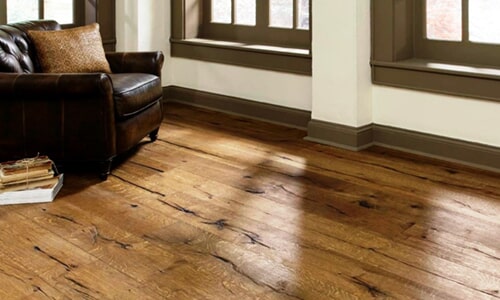
There is nothing quite like the timeless elegance and lasting value of real wood floors. If you are upgrading your home in the DMV area, hardwood is consistently one of the best investments you can make for both your home’s aesthetic and its resale value. However, choosing the wood is only half the journey—making sure it’s installed correctly is what guarantees it will last for generations.
From navigating the humidity changes in our local climate to choosing the right species for your lifestyle, there are a few essential things every homeowner should know before the first plank is laid down.
Solid vs. Engineered: Which Is Right for You?
Many homeowners assume “hardwood” means just one thing, but modern homes typically use one of two main types of wood flooring. Here is how they stack up against each other:
Solid Hardwood
Milled from a single piece of wood, solid hardwood is the traditional standard. Its biggest advantage is longevity; it can be sanded and refinished multiple times over its lifespan. It is best installed on or above grade (ground level or higher) and requires a stable indoor humidity environment.
Engineered Hardwood
Engineered wood features a real hardwood veneer layered over a high-quality plywood core. This cross-layer construction makes it much more resistant to moisture and temperature fluctuations. It’s the ideal choice for basements, concrete slabs, or over radiant heating systems.
Either works — choose by priority
On or above grade with normal climate control, both types perform beautifully. Pick solid if multi-generation longevity and repeated refinishing matter most; pick engineered if your main level sits over a slab or you want extra dimensional stability through DMV humidity swings. Compare both in our hardwood collections.
Engineered hardwood — strongly recommended
Solid wood is not recommended below grade; moisture from concrete will cause it to warp. Engineered hardwood’s cross-layer plywood core is specifically designed for basements and slabs, giving you real wood underfoot where solid planks would fail.
Engineered hardwood — the safe choice
Radiant systems cycle heat directly beneath the floor, which makes solid planks expand and contract aggressively. Engineered construction stays dimensionally stable over radiant heating — you keep the warmth and the wood look without the movement.
Solid hardwood — the heirloom option
If you want the floor your grandchildren refinish rather than replace, solid hardwood’s full-thickness wear layer allows multiple sandings over its lifetime. Keep it on or above grade and manage indoor humidity, and it will outlast nearly everything else in the house.
Why the Installation Process Matters Just as Much
Even the most expensive, highest-quality wood will buckle, gap, or warp if it isn’t properly installed. Hardwood requires strict adherence to acclimation guidelines (letting the wood sit in your home to adjust to the moisture levels) and meticulous subfloor preparation.
Because every home’s subfloor is different—whether it’s plywood, concrete, or an older joist system—relying on professional hardwood installation is the safest way to protect your investment and ensure your manufacturer’s warranties remain intact.
Your Pre-Installation Checklist
Before the installation crew arrives, check these three key factors off your list to ensure a smooth, headache-free project. Tap each one as you complete it:
Your Prep Status: Not Ready
0%Have we scheduled adequate time for the wood to acclimate in the home? Plan for several days between delivery and installation day.
Is the subfloor flat, dry, and structurally sound? Our installers confirm this during the in-home measure.
Have we planned for new baseboards, shoe molding, and transition strips?
🛠️ Expert Pro Tips for Hardwood Longevity
- Manage your indoor humidity. Wood expands and contracts with moisture. Using a humidifier in the dry DMV winters and an air conditioner in the humid summers will keep your floors from gapping or cupping.
- Invest in good felt pads. The easiest way to ruin a beautiful new floor is by dragging a heavy dining chair across it. Put heavy-duty felt pads on the legs of all your furniture on day one.
- Clean it the right way. Never use steam mops or excessive water on hardwood floors. Stick to sweeping, vacuuming (with the beater bar turned off), and using a manufacturer-approved hardwood floor cleaner.
Quick FAQ
How long does hardwood need to acclimate?
Can hardwood be installed in a basement?
Does installation create a lot of dust?
Ready to elevate your home with stunning, expertly installed hardwood floors?
Get advice tailored to your specific rooms and subfloors.


