

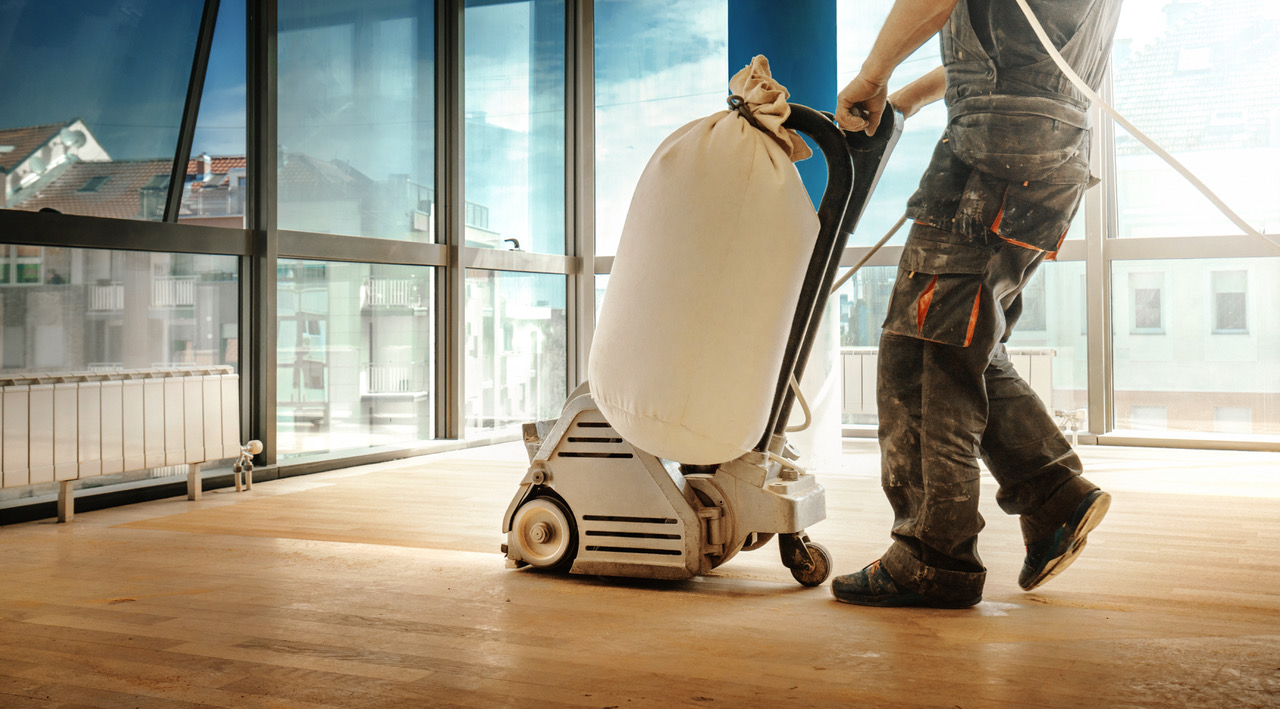
You walk into your living room, coffee in hand, and suddenly really see your floors. The color is dull, there are scratches from those years of moving furniture around, and a few boards near the kitchen have dark stains. Now you’re wondering: “Do I really have to rip all of this out, or can these floors be brought back to life?” For many homeowners in and around Upper Marlboro, that is the crossroads: refinish or replace.
What Refinishing Actually Fixes (and Where It Falls Short)
Refinishing is often the most budget‑friendly and eco‑conscious option because you’re reusing what you already have. If your hardwood is structurally sound but just looks tired, sanding and new finish can be transformative.
Refinishing is usually a smart move when:
- The boards are generally flat, with no major cupping or buckling
- Scratches are in the finish or top layer, not gouged deep into the wood
- Color feels dated, but you’d be happy with a new stain tone
- You want to avoid the mess and cost of full demolition
A professional can sand away years of wear, remove many surface stains, and apply a fresh finish that changes both the color and sheen. If you want a deeper sense of what sanding and coating can accomplish, it helps to look at how hardwood sanding and restoration services tackle deep scratches and UV fading.
Refinishing does have limits. If boards are water‑damaged, heavily warped, or have large gaps, no amount of sanding will fix the underlying problem. At that point, you’re putting a new coat of paint on a cracked wall.
When Replacement Is the Smarter Long‑Term Investment
Replacement becomes the better decision when the structure of the floor is compromised. That typically looks like:
- Significant water damage from leaks or flooding
- Boards that move, bounce, or creak excessively
- Deep pet stains that penetrate through the wear layer
- Multiple past refinishes that have already thinned the wood
Once a floor has been sanded several times, there may not be enough wear layer left to safely refinish again. In older homes around Prince George’s County, we often see beautiful wood that’s simply been sanded to its limit over decades.
Replacing lets you correct subfloor issues, upgrade to wider planks, and choose a species or stain that better matches how you live now. If you’re thinking about a full tear‑out, browsing a wide range of engineered and solid hardwood collections can clarify what a replacement could look like in your space.
Keep in mind: for below‑grade basements or areas with moisture concerns, you should not install solid hardwood. Engineered hardwood or luxury vinyl plank are the stable choices for those environments.
Cost, Mess, and Timeline: What to Expect
From a cost perspective, refinishing is almost always less expensive per square foot than installing new hardwood of similar quality. You’re not paying for demolition, disposal, and new material, just skilled labor and finishing products.
However, refinishing does come with its own realities:
- You’ll need to clear furniture completely
- There will be noise from sanding equipment
- Dry time for stains and finishes can keep you off the floors for a day or more
Newer systems and better vacuums have reduced dust significantly, but you should still expect some disruption. If you want to dig deeper into how these projects are sequenced, our outline of professional hardwood installation steps also gives you a sense of subfloor prep and finishing details that apply when floors are replaced.
Replacement adds demolition and subfloor repairs to that equation, which increases both cost and timeline, but you end up with a completely new system from the joists up. For homes you plan to keep long term or prepare for future resale, that can be a smart equity play.
How to Decide: A Practical Checklist for Your Home
When we walk a home in Annapolis or Waldorf, we usually walk through the same decision tree with homeowners:
- Age and history of the floor. If the wood is original and thick, preserving it through refinishing often keeps the home’s character intact.
- Extent of damage. If more than a third of the boards are deeply damaged, replacement starts to make more sense than patching and sanding.
- Moisture and movement. Any signs of ongoing moisture or structural movement point toward addressing subfloors and possibly switching materials in certain rooms.
- Lifestyle and future plans. Busy households with pets and kids may benefit from tougher finishes, or even mixing in other materials in secondary spaces after the main hardwood is addressed.
For many people, a blend is ideal: refinish the solid wood on your main level, then look at more resilient options such as waterproof luxury vinyl planks for lower levels or utility areas that see more moisture.
If you’re still unsure which route fits your situation, you can learn more about species, wear layers, and finish types in our hardwood overview, which goes deeper into long‑term wood flooring considerations.
If your floors are making you hesitate every time you walk through the door, it’s worth getting eyes on them. We’re happy to evaluate whether refinishing will give you the results you want or if replacement would be a wiser investment. When you’re ready to talk through options for your specific home, you can request a free estimate and we’ll help you choose the path that makes the most sense.


