

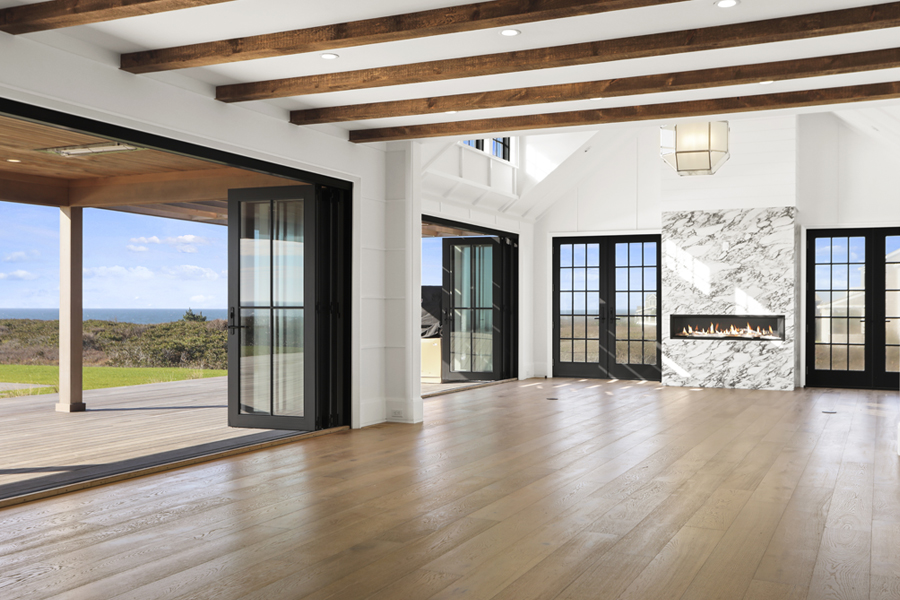
Picture a July afternoon: the AC is fighting 90° heat, the kids just tracked in sprinkler water, and the dog is doing zoomies across your living room. If your hardwood floors can get through a day like that in Upper Marlboro without cupping, scratching, or looking tired, you chose well. If not, you’re living with floors that look beautiful in a showroom but struggle in real Maryland life.
This guide walks you through how to pick hardwood that can handle humidity swings, basements, busy households, and long-term value—without you needing to become a flooring pro.
1. Start With Maryland’s Humidity, Not Just the Color
Our climate is hard on wood. Hot, sticky summers and dry winters mean your floors are constantly expanding and contracting. If you only focus on stain color or plank width, you can end up with gaps, squeaks, or warped boards a few seasons in.
The first big decision is solid vs. engineered hardwood. Solid planks are milled from a single piece of wood, which makes them gorgeous and endlessly refinishable—but also more reactive to moisture. Engineered hardwood is built from multiple layers with a hardwood veneer on top, so it moves less and stays flatter through humidity swings. When you look through the full hardwood flooring catalog, you’ll see both constructions, along with a wide range of species and colors.
Solid wood belongs on main and upper levels where moisture is controlled. For any below-grade area or slab-on-grade space, you should treat engineered hardwood or luxury vinyl as non-negotiable if you want your floors to stay stable.
2. Match Construction to the Space (Especially Basements)
Not every room in a Prince George’s County home lives the same kind of life. A formal dining room sees very different conditions than a walk-out basement or busy mudroom, and your hardwood choice should reflect that.
For basements or rooms sitting on concrete, solid hardwood is off the table. Concrete releases moisture over time, and a single-piece plank will take that moisture, swell, and eventually cup or buckle. Engineered hardwood, with its cross-ply core, is designed to tolerate that environment much better. In some spaces that are prone to dampness or minor seepage, it’s often smarter to use a waterproof LVP and keep wood upstairs; you can explore those fully waterproof luxury vinyl options when you need peace of mind below grade.
On main levels, think about how you actually live. Kitchens and open-concept family rooms benefit from engineered hardwood because it better tolerates the mix of cooking humidity, sunlight, and spills, while still giving you a true wood surface underfoot.
3. Choose Species, Finish, and Width That Hide Real Life
Once you’ve dialed in the right construction, you can get into the fun part: how the floor will look—and still look good—years from now.
Harder species like oak and hickory resist dents from dropped toys and chair legs, while softer woods like walnut are more prone to impressions but offer deep, rich color. Stain and finish matter just as much: low-gloss and matte finishes are far more forgiving of dust, footprints, and pet hair than high-shine sheens. Wide planks create a luxurious, open feel, but they also show movement from humidity changes more than narrower boards, which is another reason engineered cores pair so well with wide formats.
If you want to dive deeper into how species hardness, finish type, and plank size affect durability and maintenance, our hardwood flooring education guide breaks down the trade-offs in plain language so you can make an informed choice before you commit.
4. Plan for the Long Game: Refinishing, Installation, and Daily Care
One of hardwood’s biggest advantages over other surfaces is that it can be renewed instead of replaced. A well-installed floor in an Annapolis rowhome may see multiple generations if you maintain it and refinish when it starts to look tired, rather than waiting until the finish is completely gone.
Professional installation sets the stage for that lifespan. Proper moisture testing, acclimation, and subfloor prep dramatically reduce the risk of gapping or cupping down the road, which is why our hardwood installation process emphasizes subfloor leveling and careful layout before the first board goes down. Later, when everyday wear finally shows up as dull traffic lanes or surface scratches, a round of expert hardwood refinishing can strip back the old finish and bring the grain back to life without replacing the entire floor.
For daily life, simple habits—felt pads under furniture, area rugs in high-traffic zones, prompt cleanup of spills, and a good entry mat—go a long way toward keeping your floors looking like they did the week they were installed.
If you’re weighing solid vs. engineered, or trying to figure out what will hold up best with kids, pets, and Maryland humidity, we’re happy to walk you through options and costs. When you’re ready, you can request a free estimate for your hardwood project and we’ll help you plan a floor that survives real life, not just the listing photos.


