

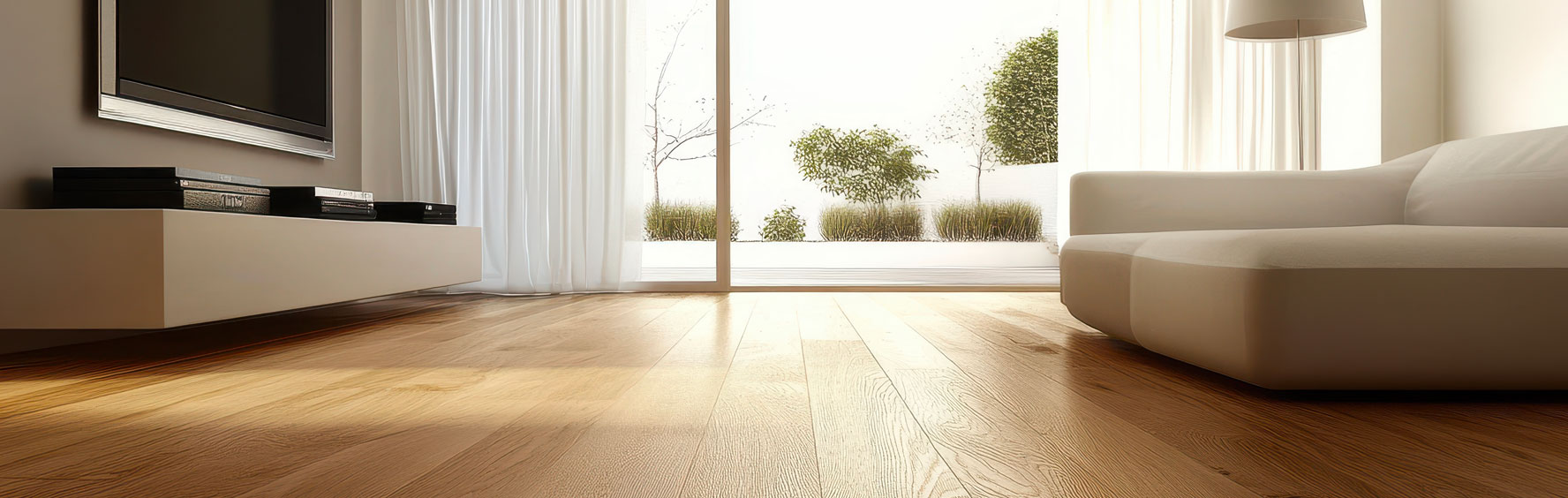
You’re staring at your floors, picturing fresh planks running from the front door to the back patio, but you’re stuck on one big question: do you invest in real hardwood, or choose a high-end laminate that looks nearly identical? In a climate with sticky summers, cold winters, and plenty of everyday wear from kids, pets, and guests, the decision isn’t just about looks—it’s about how your floors will behave over time.
How Maryland’s Climate Changes the Conversation
Both laminate and hardwood react to temperature and humidity, but they don’t react the same way. Real wood is a natural material that expands and contracts as moisture levels change, which is why you’ll sometimes hear a faint creak on a muggy July evening. Laminate has a stable core and a photographic wood layer on top, so it tends to stay flatter and more predictable in rooms where doors are constantly opening to the outdoors.
Because of that movement, solid hardwood belongs on or above ground level, where moisture can be controlled and subfloors are typically wood-based. In basements or directly over concrete, you should be looking at engineered hardwood or waterproof luxury vinyl instead. If you’re curious how different wood constructions handle seasonal changes, our hardwood flooring info guide breaks down the science in more detail.
Appearance and Feel Underfoot
If you love the idea of a true, sandable wood surface, hardwood still offers something special. Each plank has unique grain, can be refinished multiple times, and ages with your home. That’s why many homeowners in Upper Marlboro choose it for main living areas and formal spaces where long-term character matters.
Modern laminate, however, has come a long way from the shiny, plastic-looking products of the past. Textured finishes, low-gloss coatings, and high-resolution prints make it difficult to tell from real oak or hickory once it’s installed. If you want to see what today’s hyper-realistic planks actually look like, you can browse our laminate flooring catalog with options from Mohawk RevWood, Mannington Restoration, and more.
Underfoot, hardwood feels slightly warmer and more organic, especially in bare feet. Laminate tends to feel a bit firmer, but quality underlayment can soften the step and reduce sound, which is helpful in two-story homes or townhouses.
Durability, Pets, and Everyday Life
When you’re comparing these two materials, you’re really weighing refinishable longevity against surface toughness. A solid or thick engineered hardwood floor can be sanded and refinished several times over the decades, which effectively resets the clock on scratches, dullness, and minor water stains. That makes it ideal if you think of flooring as a multi-generation investment.
Laminate can’t be refinished, but its wear layer is engineered to resist scratches and dents from chair legs, toys, and pet claws. Many of the options we carry have AC3 or AC4 ratings, which are durability scales originally developed for commercial spaces. If you want to understand how those ratings relate to busy family rooms or list-ready updates in Prince George’s County, our laminate flooring education section is a good place to start.
For households with big dogs or active kids, laminate often holds its “just installed” look longer with less fuss. For homeowners focused on long-term resale and the ability to refresh the same floor instead of replacing it, hardwood keeps the edge.
Budget, Installation, and Where Each Makes Sense
Laminate usually wins on upfront cost. The product itself is more affordable, and floating installations can go in quickly, which is helpful if you’re trying to complete a move-in refresh between closing and the arrival of the moving truck. Hardwood is typically a higher investment between materials and installation, but it can add perceived value when it’s time to sell, especially in main-level living spaces.
Placement matters just as much as budget. Solid hardwood should not go in basements; the risk of cupping and warping is simply too high. If you’re planning to use wood upstairs and want professional guidance on subfloor prep, nailing patterns, and trims, our detailed overview of hardwood installation practices explains how we approach long-lasting projects. For below-grade spaces or areas where moisture is a constant concern, waterproof vinyl planks or tile will be a better fit than either solid wood or standard laminate, and you can explore those options in our luxury vinyl plank catalog.
If you’d rather see how colors and textures look against your actual cabinets and lighting instead of guessing from a showroom, our mobile team can bring curated samples directly to your door. You can learn how that works in our overview of the Shop at Home mobile showroom.
Ready to Compare Options in Your Own Home?
Choosing between laminate and hardwood isn’t about picking the “best” material in a vacuum—it’s about matching your budget, your rooms, and your real life. If you’d like help mapping out which product belongs where, you can request a free estimate, and we’ll walk you through options that make sense for your home and your timeline.


