

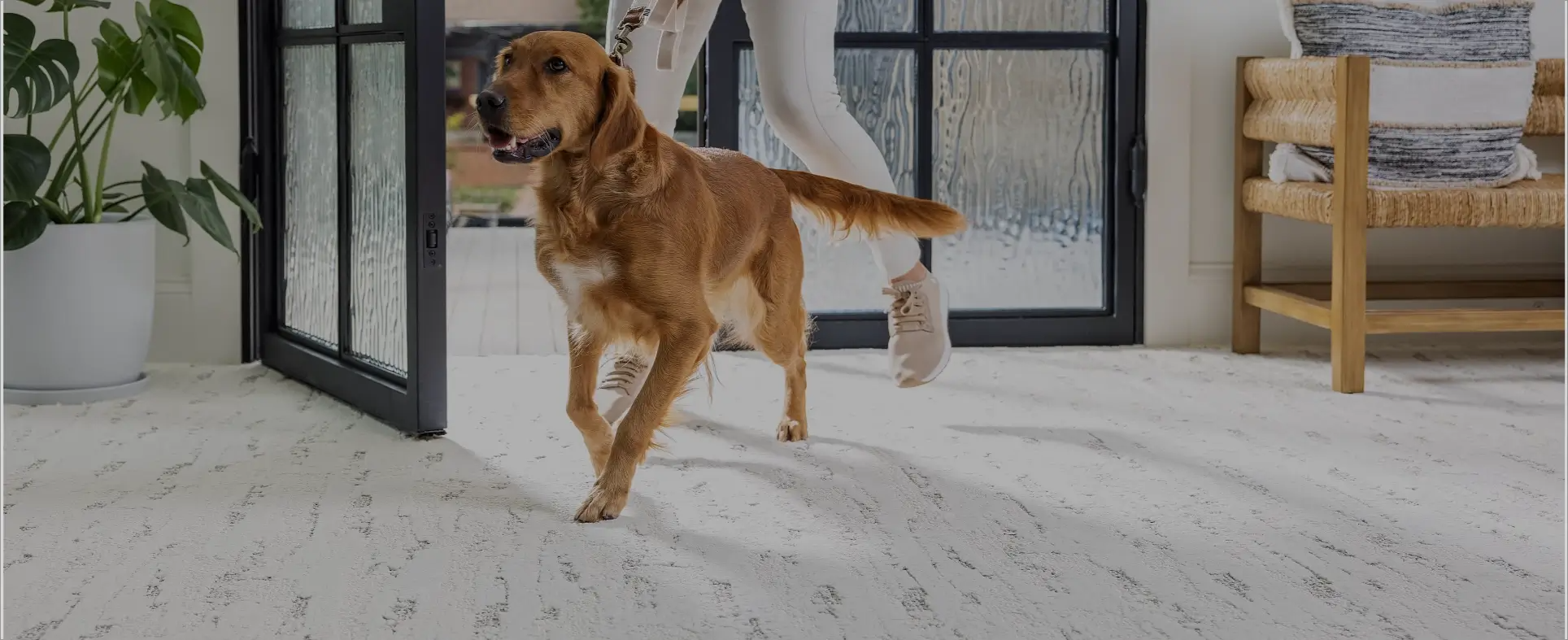
If you share your home with a dog that loves muddy walks or a cat that sheds year-round, you know floors take the hit first. In a humid Mid-Atlantic climate, you also have to worry about moisture, odors, and paw prints showing the second you finish cleaning. Laminate is popular with pet owners because it shrugs off daily abuse, but it still needs the right routine to stay looking fresh without turning you into a full‑time janitor.
Below is a simple, realistic system you can follow—whether you’re in a townhome near Upper Marlboro or a busy household elsewhere in Prince George’s County.
Step 1: Daily “Five-Minute” Fur and Grit Control
The biggest enemy of laminate isn’t just spills; it’s the fine grit pets track in. Mixed with movement, that grit acts like sandpaper on the wear layer.
Build a quick daily habit that targets three things: loose hair, dust, and tiny rocks or soil. A soft microfiber dust mop or a vacuum on hard-floor mode (beater bar off) will grab fur and grit without dulling the finish. If your current floors are constantly showing paw prints and hair, it may be worth exploring low-gloss laminate styles with AC3 and AC4 ratings that hide everyday buildup more gracefully.
Focus on high-traffic “pet highways” first—hallways, kitchen paths to the backyard, and favorite lounging spots. Keeping those areas clear drastically cuts how much dirt migrates into the rest of the home.
Step 2: Weekly Pet-Safe Damp Cleaning (Without Swamping Your Floors)
Laminate hates standing water, but it does benefit from light, regular cleaning to remove the film that dry mopping leaves behind—saliva droplets near food bowls, oils from paws, and the fine dust that settles in summer humidity.
Once a week, use a barely damp microfiber pad and a laminate-approved cleaner. Avoid steam mops and anything labeled as wax, polish, or oil; those products can create a sticky film that actually attracts more pet hair. If you want a deeper dive into what the wear layer can tolerate, the guidance in our laminate flooring education resource breaks down how these surfaces are built and why certain cleaners matter.
For a simple routine:
- Lightly spray cleaner onto the pad (not directly on the floor), work in small sections, and make sure everything dries within a few minutes.
This approach keeps odors down, removes invisible residues that can cloud the finish, and still respects the moisture limits of laminate.
Step 3: Fast Response to Accidents, Mud, and Water Bowls
Pets are unpredictable. The key is not perfection—it’s response time.
Urine, vomit, and water-bowl splashes should be handled quickly so moisture doesn’t seep into joints. Blot with paper towels first, then follow with a gentle cleaner to remove residue and odor. In summer storms or after snow, set up a “landing zone” with a washable mat near your entry so paws can be wiped before they hit the main laminate areas. If you’re dealing with frequent accidents in one room, it can be helpful to understand how fully waterproof options compare to laminate by reviewing the broader waterproof flooring information available for high-moisture spaces.
The goal is to keep liquids on the surface and away from seams. Laminate is forgiving, but repeated soaking in the same spots will eventually cause swelling.
Step 4: Protect the Finish from Nails, Beds, and Play Zones
A good laminate floor is designed to survive real life, but you can stretch its lifespan by reducing concentrated wear.
Keep nails trimmed and consider placing area rugs or runners where your pets sprint, chase toys, or land after jumping off furniture. Choose rugs with breathable backings and avoid rubber or latex pads that can trap moisture or discolor the surface. If you’re choosing new materials for a family room where pets spend most of their time, you can compare these strategies with the inherently tough wear layers in pet-friendly luxury vinyl plank options, especially for rooms that see wet paws coming in from the yard.
Beds, scratching posts, and heavy crates should have felt pads or sliders underneath. Spreading weight and softening contact points goes a long way toward keeping the finish even from wall to wall.
Step 5: Make Your Routine Fit Your Real Life
The best cleaning routine is the one you’ll actually follow. A busy household in Annapolis may need a quick vacuum pass twice a day and a weekly mop, while a quieter home might get away with less. What matters is consistency and choosing materials that cooperate with your lifestyle rather than fighting it.
If you’re planning new floors and want to see how different wood-look planks pair with your pets’ habits, our mobile showroom lets you have flooring samples brought to your door so you can judge sheen, texture, and hair visibility in your own lighting. You can also see how other homeowners feel about living with these surfaces in our customer review highlights before you commit.
When you’re ready to pair an easy cleaning routine with a floor that can keep up with your pets, you can request a free estimate and we’ll help you choose a laminate solution that survives real life without demanding your weekends.


