

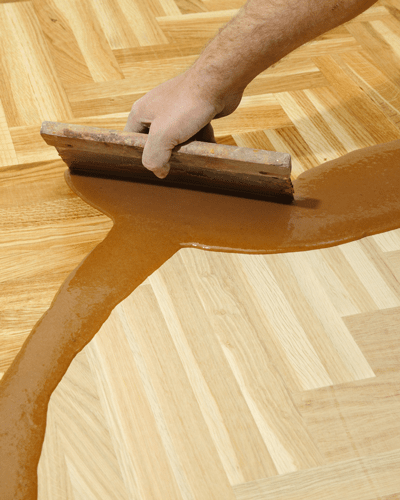
If you’re planning a flooring upgrade in Upper Marlboro, you’ve probably noticed the same thing everyone else has: there are a lot of choices, and most of them look great online. The tricky part is figuring out what will actually hold up in your real life - kids running through the hallway, pets sliding around corners, muddy shoes after soccer, and the occasional ‘oops’ spill in the kitchen.
The good news? You don’t have to guess. Once you match the right material to the way you live, the decision gets much easier. Below, we’ll walk through the tradeoffs in plain English, plus a few practical tips that make the whole process smoother from the first sample to installation day.
Hardwood is one of those floors that can look better with age - but only if it’s in good shape underneath. If you’re staring at scratches, dull spots, or a finish that just won’t clean up anymore, you’re probably wondering whether to refinish the floor you have or replace it entirely. That’s a normal question, and it’s usually not as obvious as it sounds.
A solid starting point is this: if your boards are structurally sound, hardwood refinishing can give you a ‘new floor’ feel without the waste and disruption of a full replacement. If boards are warped, heavily cupped, or you’re changing layouts, replacement might make more sense.
Step 1: Look for red-flag damage
Walk the floor in socks and pay attention to movement. Do boards flex or squeak badly in certain spots? Are there areas where boards have dark staining from water? Are there deep gouges that cut into the wood (not just the finish)? Those are the kinds of issues that push the decision toward repair or replacement - because sanding alone won’t solve them.
Step 2: Check how much ‘wood’ you have left
Traditional solid hardwood can often be sanded multiple times over its life, but that depends on the thickness of the wear layer and how it was installed. If your floor has already been refinished a few times, you’ll want a pro to confirm it can handle another sanding safely.
Step 3: Decide what you want to change
If you love the layout and just want a cleaner, lighter, or richer look, refinishing is perfect. You can shift the sheen, update the stain tone, and make the whole space feel refreshed. If you’re switching from narrow planks to wide planks, changing species, or mixing rooms that currently don’t match, replacement may be more straightforward.
Step 4: Compare the ‘real’ timeline
People sometimes assume refinishing is always faster. It can be - but it depends on the number of rooms, drying time, and whether you need repairs first. Replacement can be quick too, but it includes demo and disposal. Either way, your best move is planning the job around your household schedule so you’re not stepping over tools for weeks.
If you’re still undecided, look at hardwood flooring styles and ask yourself: do I want a completely new look, or do I want my current floor to look new again? That one question solves most of the debate.
The ‘value’ angle that homeowners forget
Hardwood is one of the few flooring choices where maintenance can be a value upgrade. A fresh finish can make your home feel cleaner, brighter, and more modern without changing anything else. In a market where homeowners often choose to remodel instead of moving, refinishing can be a smart way to get a big visual change without a full remodel budget.
If you want a straightforward answer for your specific floor, the easiest next step is a quick in-home look. A pro can tell you within minutes whether refinishing is realistic, what prep is needed, and what the timeline will feel like.
Extra pro tips (the stuff you’ll be glad you knew)
Do the ‘mess test’ before you fall in love with a color. Think about your real-life mess: muddy shoes, cooking splatter, pet hair, and everyday dust. Some floors look amazing in a perfectly staged photo, but show every footprint in normal life. A slightly more textured finish (or a plank with natural variation) is often easier to live with.
Plan your transitions on purpose. Where two floors meet (hallway to bedroom, kitchen to dining, basement stairs), a clean transition strip and consistent direction makes the whole house feel more high-end. If you’re mixing materials, decide where the ‘breaks’ should happen before install day so you don’t end up with awkward seams.
Ask three questions before you buy: (1) What’s the realistic maintenance routine for this floor? (2) What prep does my subfloor need? (3) What’s the warranty coverage - and what can void it (like excess moisture)? Those answers prevent most of the ‘I wish someone told me’ moments.
Ready to narrow your options and get real numbers for your home? Start with a free estimate from DMV Floor Pros - it’s the easiest way to turn ‘maybe’ into a confident plan.


