

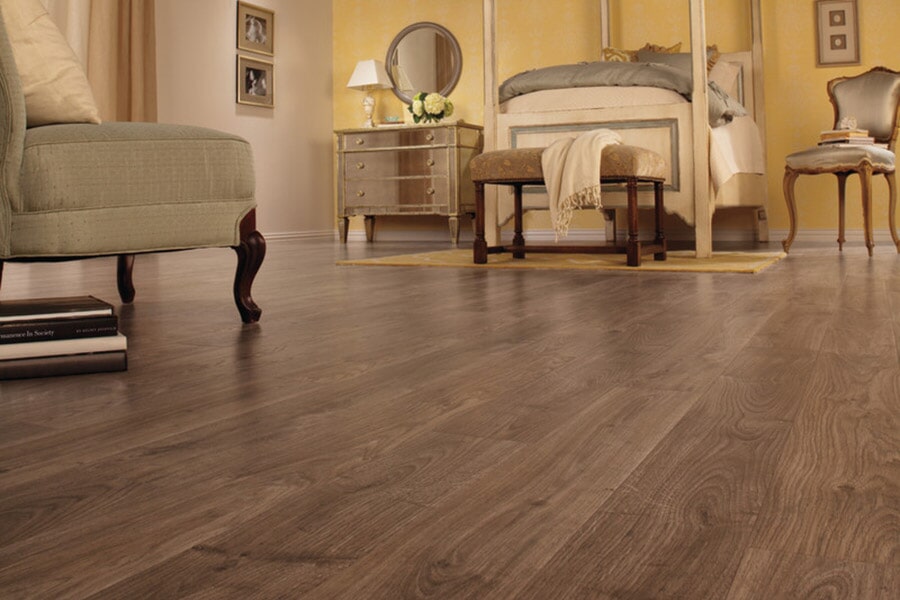
If you’re planning a flooring upgrade in Upper Marlboro, you’ve probably noticed the same thing everyone else has: there are a lot of choices, and most of them look great online. The tricky part is figuring out what will actually hold up in your real life - kids running through the hallway, pets sliding around corners, muddy shoes after soccer, and the occasional ‘oops’ spill in the kitchen.
The good news? You don’t have to guess. Once you match the right material to the way you live, the decision gets much easier. Below, we’ll walk through the tradeoffs in plain English, plus a few practical tips that make the whole process smoother from the first sample to installation day.
Here’s the quick rule: if you want the most ‘worry-free’ option for everyday life, luxury vinyl plank usually wins. If you want a crisp wood look at a value price and your rooms stay pretty dry, laminate options can be a great fit. Now let’s break down what that actually means for your home.
Start with your rooms, not the product
Think room-by-room: kitchens, entryways, and basements are where most floors get ‘stress tested.’ That’s where water, grit, and heavy traffic show up. Bedrooms and formal spaces are easier, so you can prioritize comfort and style. When you map your rooms first, you stop over-buying features you don’t need (and under-buying the ones you do).
LVP vs laminate: the real-life differences
LVP is known for being resilient: it handles spills, pet accidents, and daily mess without making you panic. Laminate has improved a lot in recent years and can look incredibly realistic, but the biggest difference is how forgiving it is when moisture hangs around. If you have a busy household or you know your entryway sees a lot of wet shoes, LVP tends to be the calmer choice.
What about feel underfoot?
Laminate can feel slightly ‘harder’ or more clicky depending on the underlayment and your subfloor. LVP often feels a touch more forgiving, especially on a good pad. Either way, the installation system and the quality of the underlayment matter a lot - so when you compare samples, ask how each option is built to reduce noise and improve comfort.
A simple decision checklist
Ask yourself: (1) Do I need serious spill protection? (2) Do I have pets or kids who will drag toys across the floor? (3) Is this a basement or slab area where moisture is unpredictable? If you answered ‘yes’ to any of those, start your shortlist with LVP. If your space stays dry and you’re focused on a wood look at a lower price point, laminate belongs on the shortlist too.
Make the project easier on yourself
Order a couple of samples and look at them in the morning, afternoon, and evening. Lighting changes everything. Also, don’t just stare at the color - pay attention to the plank pattern repeat. A good pattern variation makes your floor feel more natural and less ‘printed.’
When you’re ready, the fastest way to stop the endless comparing is to get a pro opinion based on your rooms. A quick measurement and a few questions about your household can narrow your options down to the best two or three.
Extra pro tips (the stuff you’ll be glad you knew)
Do the ‘mess test’ before you fall in love with a color. Think about your real-life mess: muddy shoes, cooking splatter, pet hair, and everyday dust. Some floors look amazing in a perfectly staged photo, but show every footprint in normal life. A slightly more textured finish (or a plank with natural variation) is often easier to live with.
Plan your transitions on purpose. Where two floors meet (hallway to bedroom, kitchen to dining, basement stairs), a clean transition strip and consistent direction makes the whole house feel more high-end. If you’re mixing materials, decide where the ‘breaks’ should happen before install day so you don’t end up with awkward seams.
Ask three questions before you buy: (1) What’s the realistic maintenance routine for this floor? (2) What prep does my subfloor need? (3) What’s the warranty coverage - and what can void it (like excess moisture)? Those answers prevent most of the ‘I wish someone told me’ moments.
Quick FAQ
Do I need to move out during the project? Usually no - but you may want to plan room-by-room access and keep kids/pets away from work zones.
How long does a typical project take? It depends on square footage, subfloor condition, and drying time if adhesives or finish coats are involved.
What makes a floor last? A good match between material and room conditions, plus correct subfloor prep and professional installation.
Ready to narrow your options and get real numbers for your home? Start with a free estimate from DMV Floor Pros - it’s the easiest way to turn ‘maybe’ into a confident plan.


